
Applications of Monomethacryloxypropyl-terminated Polydimethylsiloxanes
Applications of Monomethacryloxypropyl-terminated Polydimethylsiloxanes
Applications of Monomethacryloxypropyl-terminated Polydimethylsiloxanes
Monomethacryloxypropyl-terminated polydimethylsiloxanes are linear polydimethylsiloxanes with a methacryloxy active functional group at one end and an inert methyl group at the other. They combine the high and low temperature resistance, hydrophobicity, low surface tension, smooth and soft texture, and good biocompatibility of polydimethylsiloxanes with the UV free radical curing activity of methacryloxy groups. They are compatible with various resin systems such as acrylic, epoxy, and polyurethane, exhibiting low volatility, good compatibility, and mild reaction characteristics. They are widely used in UV curing materials, silicone modification, coatings and inks, adhesives, electronics, medical consumables, daily chemicals, and plastic modification.
In the field of UV-curable coatings and inks, it can be used as a functional modified monomer and leveling agent for UV topcoats, matte paints, plastic paints, glass coatings, and printing inks. It can reduce the surface tension of the coating, improve leveling and anti-cratering effects, enhance coating smoothness, scratch resistance, abrasion resistance, hydrophobicity, and stain resistance, and improve the coating's weather resistance and feel. It is suitable for UV-curable coating and printing applications on various substrates.
In the field of silicone-modified acrylic resins, it participates in the polymerization of acrylic resins as a grafting modified monomer, imparting excellent high and low temperature resistance, hydrophobicity, weather resistance, and flexibility to the resin. It improves the resin's film-forming properties and interfacial compatibility, and is widely used in outdoor weather-resistant coatings, textile finishing agents, adhesives, and other products, achieving material performance upgrades.
In the field of UV-curable adhesives and sealants, it is used as an active toughening modifier to reduce internal stress in the adhesive layer, improve bonding flexibility, resistance to thermal shock and aging, and enhance adhesion to substrates such as plastics, glass, and metals. It is suitable for UV-cured bonding and sealing of electronic components, optical assemblies, and plastic parts.
In the field of electronic and electrical materials, it is used in UV-cured conformal coatings, circuit board protective coatings, and sensor encapsulation adhesives, providing insulation, moisture resistance, hydrophobicity, and high/low temperature protection, reducing coating stress, and meeting the long-term protection needs of PCBs, flexible circuits, and precision electronic components.
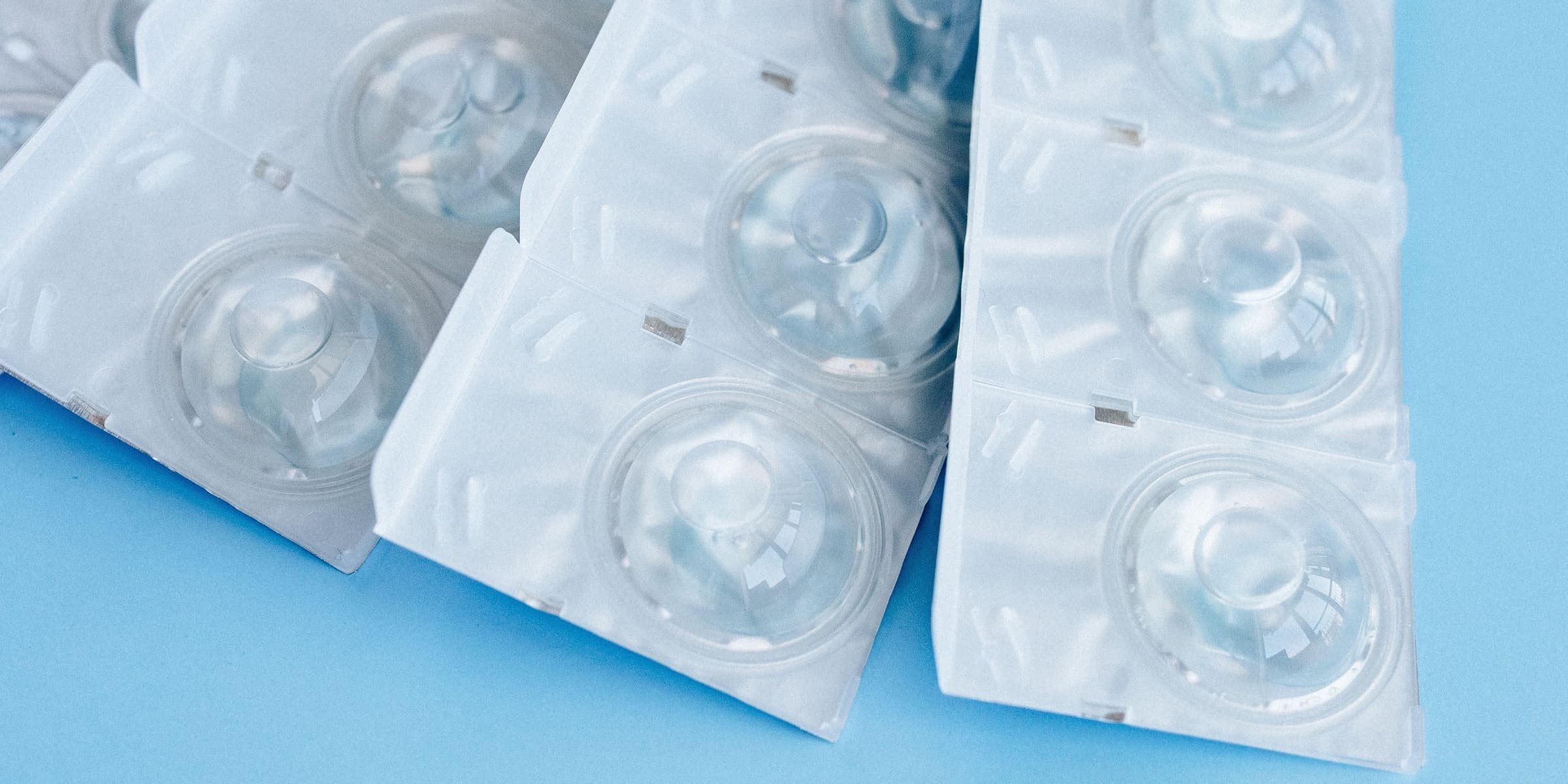
In the field of medical and ophthalmic materials, due to its good biocompatibility and high oxygen permeability, it can be used in silicone hydrogel contact lenses, medical dressings, and flexible medical devices, improving the material's oxygen permeability, softness, and skin-friendliness, meeting the safety and comfort requirements of medical consumables.
In the daily chemical and personal care industry, it functions as a skin feel modifier, film-forming agent, and slip agent, added to skincare, makeup, and haircare products to provide a lightweight and smooth feel, enhance waterproof and sweat-resistant properties, makeup longevity, and hair care effects, and improve product spreadability and user experience.
In the field of plastics and elastomer modification, it functions as a processing aid and surface modifier, improving the slip properties, mold release properties, and scratch resistance of plastics and rubbers, improving melt flow, and optimizing the surface texture and durability of products. It is suitable for various engineering plastics and elastomer products.
In the field of textile functional finishing, it is used to add hydrophobicity, softness, and smoothness to fabrics, giving them wrinkle resistance, washability, and a comfortable feel, enhancing the functional properties and added value of fabrics, and is suitable for the functional processing of synthetic fibers and blended fabrics.