
Which silane coupling agent is recommended to improve the adhesion of acrylic UV-curing adhesives
Which silane coupling agent is recommended to improve the adhesion of acrylic UV-curing adhesives
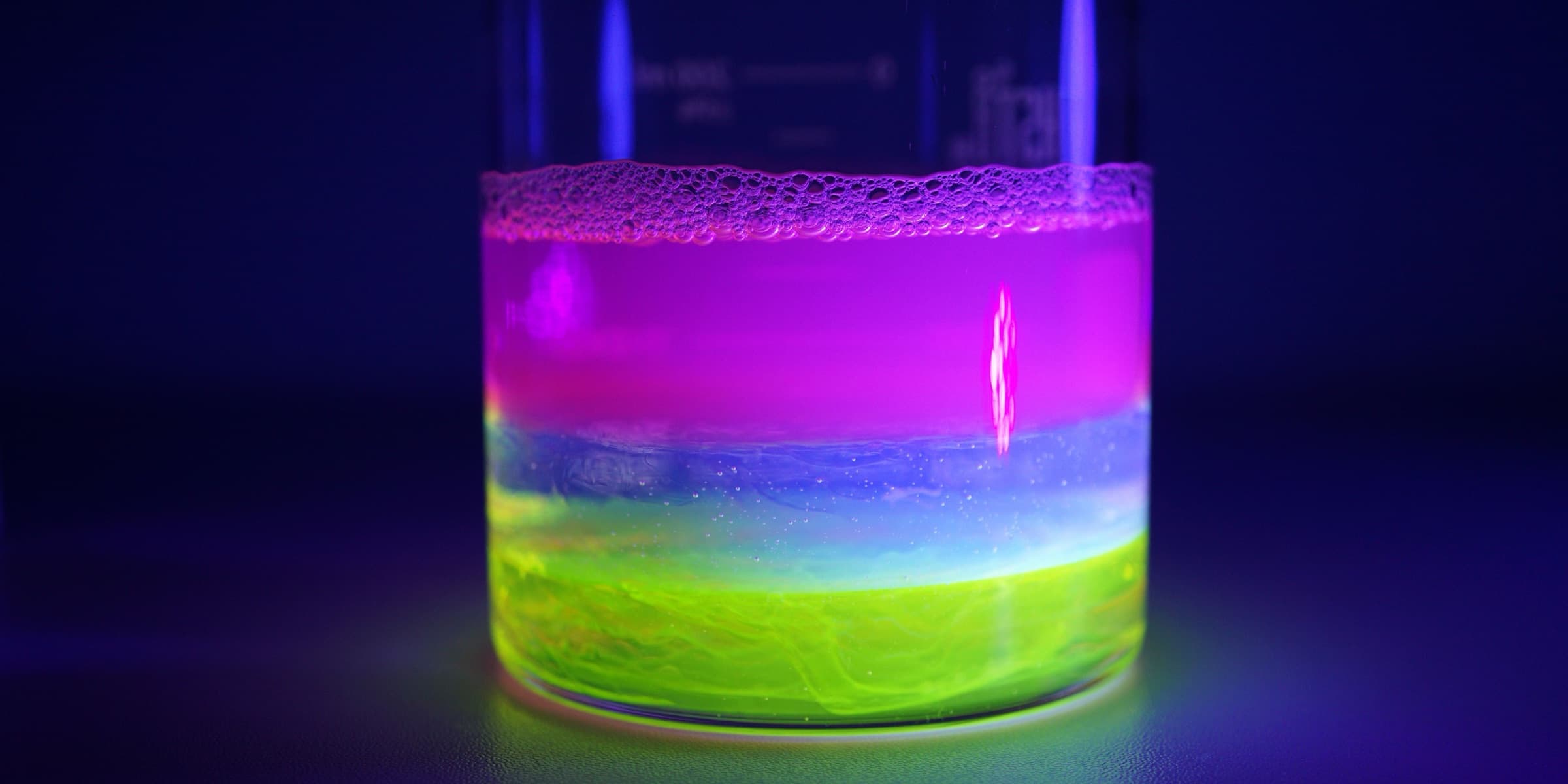
What is acrylic UV-curing adhesive? Which silane coupling agent is recommended to improve the adhesion of acrylic UV-curing adhesives?
Overview of Acrylic UV-Curing Adhesives:
Acrylic UV-curing adhesive (UV-curing acrylic adhesive) is an adhesive that cures rapidly under ultraviolet (UV) or visible light irradiation. Its main components include:
Acrylic ester monomers/oligomers (such as HDDA, TPGDA, epoxy acrylates, etc.)
Photoinitiators (such as TPO, 1173, 184, etc.)
Additives (leveling agents, stabilizers, pigments, etc.)
Characteristics of Acrylic UV-Curing Adhesives:
Fast curing (curing in seconds, improving production efficiency);
Environmentally friendly (solvent-free, low VOCs);
High transparency (suitable for optical device bonding);
Adjustable performance (hardness and flexibility can be adjusted through formulation).
Application Fields of Acrylic UV-Curing Adhesives:
Electronic devices (touch screens, LED packaging);
Glass/metal bonding (decorative parts, automotive components);
Plastic bonding (acrylic, PC, etc.);
3D printing, printing coatings, etc.
Key to Improving Adhesion of Acrylic UV-Curing Adhesives: Silane Coupling Agents
The adhesion of acrylic UV-curing adhesives to non-polar substrates (such as glass, metals, and some plastics) may be insufficient and needs to be improved through silane coupling agents. Their mechanism of action:
1. Organic-inorganic bridging: After hydrolysis, the -Si(OR)₃ of the silane combines with the hydroxyl groups (-OH) on the substrate surface, forming Si-O-Si bonds;
2. Organic end reaction: Functional groups such as amino groups and epoxy groups copolymerize with acrylic ester resins or form hydrogen bonds, enhancing interfacial bonding. Recommended Silane Coupling Agents and Selection Criteria
Based on the chemical characteristics of acrylic UV-curing adhesives and the type of substrate, the following silane coupling agents are recommended:
1. General Purpose: γ-Methacryloxypropyltrimethoxysilane (SF-S570)
Chemical formula: CH₂=C(CH₃)COO(CH₂)₃Si(OCH₃)₃
Advantages:
Contains a methacryloxy group, providing excellent copolymerization with acrylate resins;
Suitable for glass, metals, and polar plastics (such as PC, PMMA).
Application method: Directly added to the adhesive (0.5-2% by weight), or applied as a pre-treatment to the substrate (1-5% ethanol solution).
2. High Activity Type: γ-Aminopropyltriethoxysilane (SF-S550)
Chemical formula: H₂N(CH₂)₃Si(OC₂H₅)₃
Advantages:
The amino group (-NH₂) can react with the carboxyl group of acrylates or free radicals after UV curing;
Especially suitable for metal (aluminum, copper) and ceramic substrates.
Note: May accelerate the shelf life of the adhesive; compatibility testing is required.
3. Epoxy Silane: γ-Glycidoxypropyltrimethoxysilane (SF-S560)
Chemical formula: CH₂OCHCH₂O(CH₂)₃Si(OCH₃)₃
Advantages:
The epoxy group enhances adhesion through secondary reactions with acrylates (such as hydroxyl and carboxyl groups);
Excellent resistance to heat and humidity, suitable for outdoor or high-humidity environments.
4. Long-Chain Flexible Silane: Octyltrimethoxysilane (SF-S831)
Applicable scenarios:
Coatings or adhesives requiring flexibility (such as flexible electronics);
Hydrophobic substrates (such as certain modified plastics). Selection and Usage Recommendations
1. Substrate Matching:
Glass/Ceramics: SF-S570 or SF-S560 are preferred;
Metals: SF-S550 or SF-S560;
Plastics: Non-polar plastics (PP/PE) require plasma treatment before using silane.
2. Addition Method:
Direct addition: The compatibility of the silane with the photoinitiator should be tested before adding it to the adhesive (it may affect the curing speed);
Substrate pretreatment: Apply a 1-5% silane ethanol solution and allow it to dry (avoiding residual moisture).
3. Verification Testing:
Evaluate the adhesion improvement effect through the cross-hatch test (ASTM D3359) or tensile testing.
Summary
For acrylic UV-curing adhesives, SF-S570 (methacryloxy silane) is the most versatile choice, balancing reactivity and compatibility; for higher humidity and heat resistance, SF-S560 can be selected; for metal substrates, SF-S550 is recommended. In practical applications, the addition amount and process conditions need to be optimized through experiments.